What This Looked Like in My Own Life
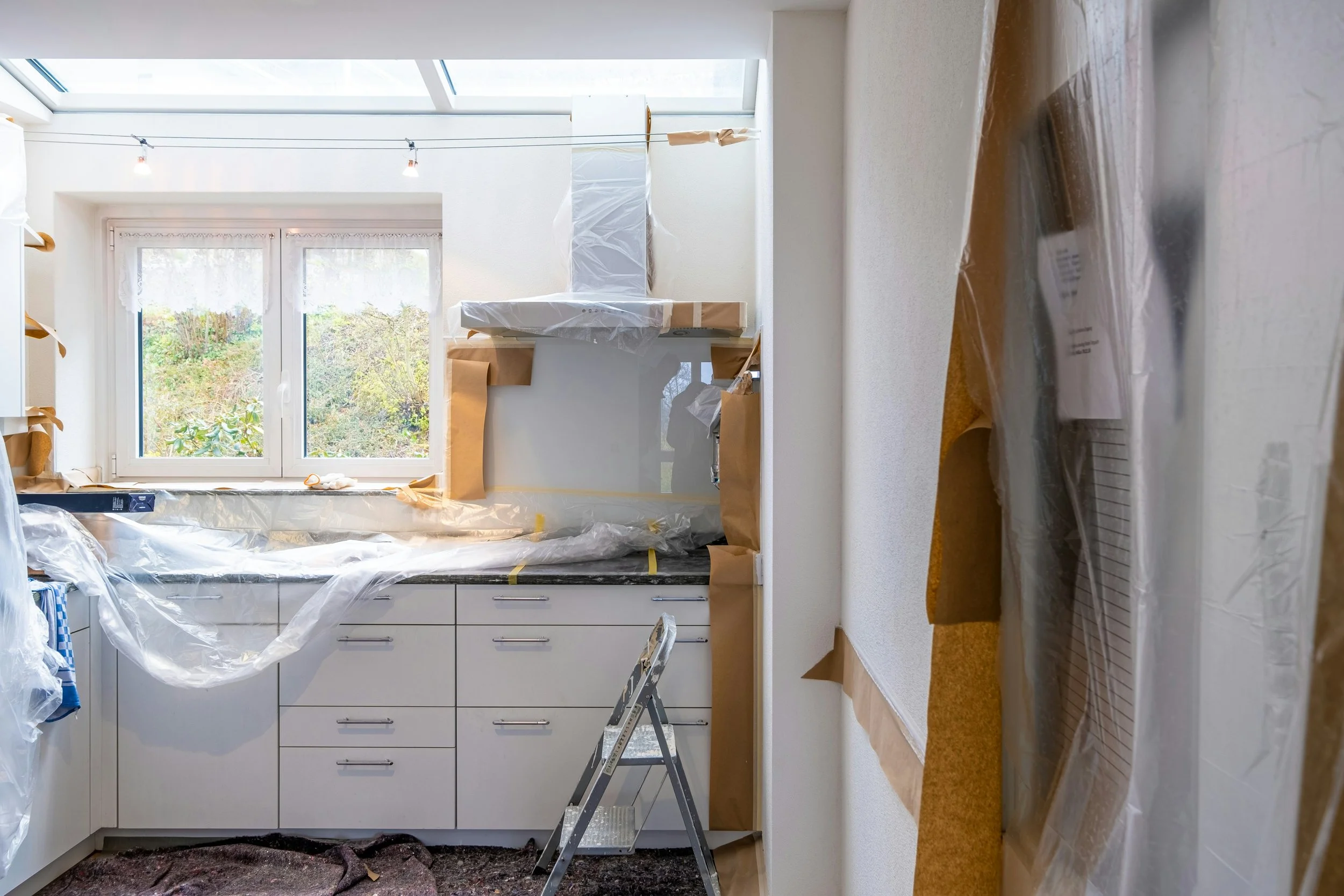
I ran straight into this recently during our home renovation, right around the time we brought home a new puppy.
Suddenly my days were filled with contractor calls, unexpected decisions, puppy potty breaks every hour, and living out of bins instead of closets. Even simple routines like morning meditation disappeared.
Nothing was wrong with my effort. I was doing my best.
But the systems supporting my day were built for a version of life that no longer existed.
Everything felt harder than it should.
Once we adjusted the structure, even temporarily, things steadied. The chaos didn’t disappear overnight, but daily life stopped feeling so fragile.
This Shows Up Everywhere
Not just in homes.
It happens when work responsibilities grow but routines stay the same.
When kids’ schedules get busier but household systems never adjust.
And especially when life transitions stack up, like preparing for a move, living through a renovation, or trying to settle into a new home while juggling everything else.
You’re not doing anything wrong.
You’re just trying to operate inside a structure that no longer fits.
And transitions are often the moment people realize they don’t want to keep doing it all alone.
Choosing Stability Isn’t Failure
Choosing better support doesn’t mean you’ve lost your edge.
It usually means you’ve learned something important.
Your life carries more weight now.
Your energy matters.
Sustainability matters.
A bigger, steadier frame doesn’t slow you down.
It lets you move forward without constant correction.
A Gentle Check-In
If life feels harder than it should right now, consider:
Where am I constantly compensating?
Where am I relying on effort instead of support?
What would feel easier if my systems actually fit my life today?
Sometimes the shift isn’t doing more.
It’s choosing a structure that finally supports you.
The Work I Love Doing
This is the work I love guiding people through.
Not drastic overhauls, but thoughtful adjustments that make everyday life work better, especially during moves, renovations, downsizing, or settling into a new home when decisions and logistics start piling up.
Because when systems are in place, transitions feel smoother and daily life settles faster in the new space.
Reflection:
You don’t have to fix everything at once.
Just ask yourself:
Where does my day feel fragile instead of supported?
And what small change would help life feel steadier right now?
If you’re preparing for a move, managing a renovation, downsizing, or stepping into a new season of life and everything feels harder than it should, this is often the moment people reach out for support.
Together we look at what no longer fits and create systems that help life function more smoothly, so you can focus on settling into what’s next instead of constantly compensating.