The Hard Truth About Accountability (and Why It’s Worth It Anyway)
We recently had some tile work done during our home renovation, and let’s just say, it didn’t go well.
Major issues. Not the kind you can just shrug off or cover up with a rug. These were costly mistakes that could’ve been avoided. And the part that really stung? The tile guy took almost no accountability.
No real apology. No ownership. Just vague excuses and a shrug.
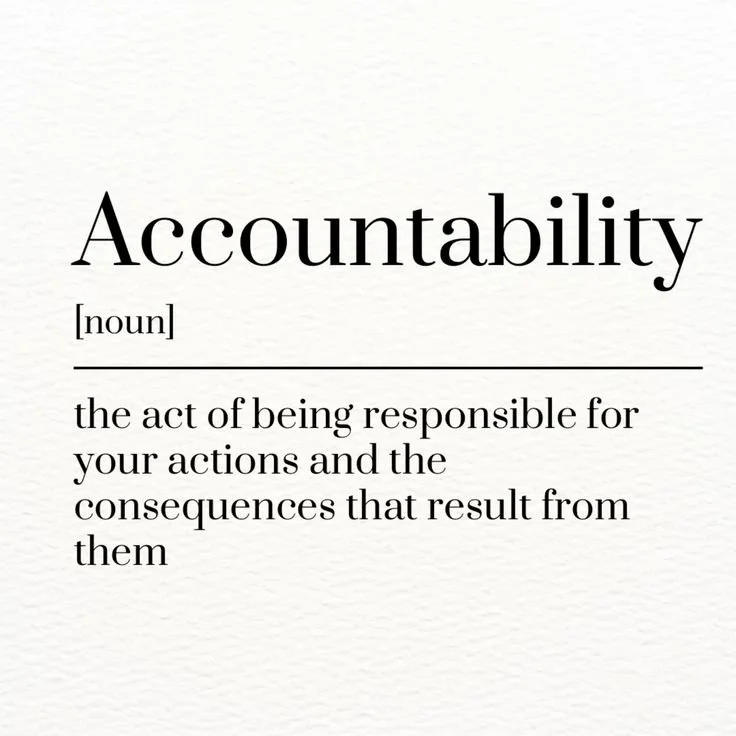
And that moment? It got under my skin, not just because of the tile, but because it made me pause and ask: What does accountability really look like? And how do I show up when I’m the one who gets it wrong?
When It’s Easier to Defend Than to Own
We all mess up. That’s part of being human. Maybe it’s snapping at someone when we’re stressed. Dropping the ball on a commitment. Making a decision that didn’t pan out.
And yet, I have noticed for myself that owning it can feel so hard. Especially when we’re tired. Or we meant well. Or we’re afraid of looking unprofessional, unkind, or just... human. But when someone else fails to take accountability, it’s glaring. It creates frustration, mistrust, and emotional clutter that doesn’t go away just because the conversation is over.
That tile contractor taught me a lot about what not to do—but more importantly, it reminded me why I want to hold myself to a different standard.
Accountability Isn’t About Perfection, It’s About Integrity
In coaching and organizing work, we talk a lot about alignment: your habits matching your values, your space reflecting your life, your words lining up with your actions.
And guess what glues all of that together? Accountability.
It’s not just about saying “my bad.” It’s about showing up with honesty, making repairs where we can, and learning from what didn’t go right.
Here’s what that’s looked like for me lately:
🔸 Saying “I was wrong,” without a but.
Not “I was just overwhelmed” or “I didn’t mean to.” Just: That was on me. I’m sorry. It’s vulnerable, but also incredibly freeing.
🔸 Repairing what I can, even if I can’t fix it all.
Whether it’s a miscommunication or a moment of reactivity, I’ve learned that a sincere “How can I make this right?” goes a long way.
🔸 Catching myself when I start to justify.
There’s a fine line between offering context and avoiding ownership. I try to pause and ask, Am I explaining, or excusing?
🔸 Giving myself grace, but not letting myself off the hook.
This one is key. True accountability isn’t about shame. It’s about growth. And it’s a muscle I want to keep building.

What This Has to Do with Clutter (Yes, Really)
Clutter isn’t just stuff on the floor.
It’s unspoken tension. Avoided conversations. Regret we didn’t acknowledge. Tasks we keep moving to “tomorrow.”
And accountability? It’s one of the most powerful forms of emotional decluttering there is.
It clears the air. It restores relationships. It lets you move forward with integrity instead of dragging guilt and avoidance behind you like an overstuffed suitcase.

What I’m Reminding Myself (and Maybe You Too)